 EN
EN FR
FR 中文
中文 ES
ES PT
PT عربي
عربي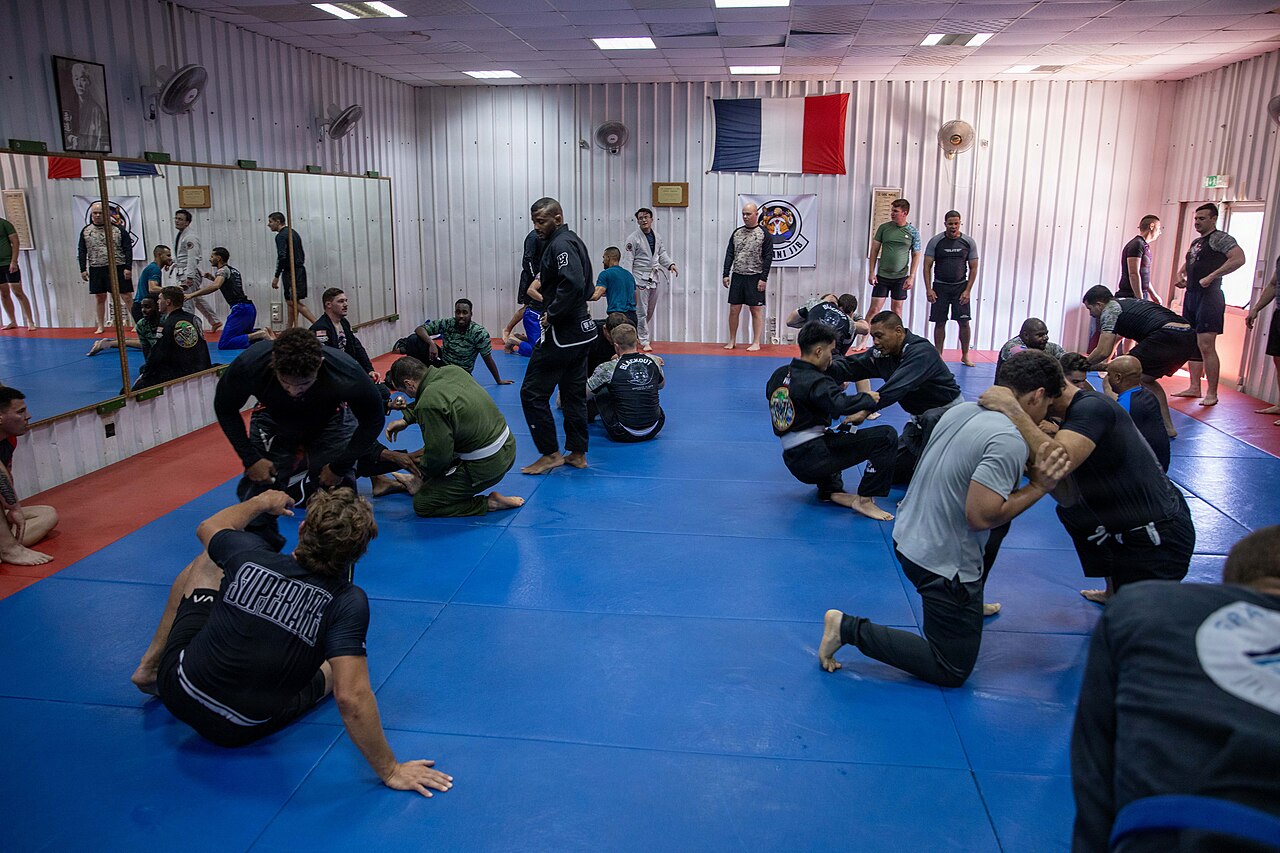
How Does Summer Heat Affect BJJ Training?
Your grip just slipped for the third time this round. Your gi weighs ten extra pounds. Your cardio - the cardio that felt fine in February - has completely abandoned you. And you're only two minutes in.
Welcome to summer BJJ in Quebec. The humidity turns every roll into a survival test, and your first instinct is to skip class until September. Half your training partners already have.
Don't follow them. Here's what they don't realize: summer is when the real improvements happen. The heat forces you to stop muscling through positions and start using actual technique, because you literally cannot waste energy. The grapplers who train through the hottest months come out the other side sharper, leaner, and more technical than everyone who took the season off. This guide covers how to do it smart - hydration, recovery, gi selection, and how to turn the heat from an obstacle into your advantage.
How Much Water Should You Drink During BJJ?
This isn't a suggestion. Proper hydration is the single most important factor in safe and effective summer BJJ training. Staying hydrated keeps your energy up and helps you train at your best.
Before Class
Start hydrating well before you step on the mat. Drinking a liter of water 30 minutes before class is too late - your body can't absorb it fast enough.
- Begin hydrating 2-3 hours before training. Aim for 500-750ml of water during this window
- Add electrolytes. Plain water is good, but summer sweat contains sodium, potassium, and magnesium that need replacement. A quality electrolyte mix (look for low sugar, high sodium) makes a measurable difference
- Monitor your urine color. Pale yellow means you're hydrated. Anything darker means you're already behind
During Class
- Keep a water bottle mat-side. Take small sips between drills and rounds. Don't wait until you feel thirsty - thirst is a lagging indicator of dehydration
- Listen to your body. If you need a break, take one. Sit out a round, grab some water, cool down. Your coaches will always respect that
After Class
- Drink 500-750ml within the first 30 minutes post-training
- Continue hydrating for 2-3 hours after class. You're still sweating and losing fluids even after you've stopped training
- Coconut water is a natural electrolyte source that works well for post-training recovery
- Weigh yourself before and after class occasionally. Every kilogram lost represents approximately one liter of fluid that needs replacement
Should You Use a Lighter Gi in Summer?
The gi you trained in all winter might not be the best choice for July. Here are practical adjustments:
Consider a Lighter Gi
BJJ gis come in different weights, measured in GSM (grams per square meter). Your heavy winter gi might be 550+ GSM. A summer gi in the 350-450 GSM range feels dramatically different in the heat.
Lightweight gis dry faster between training sessions (critical when you're training multiple times per week in humid conditions), breathe better during training, and are easier to wash and maintain during the months when your laundry volume doubles.
Rash Guards Matter More in Summer
Whether you train gi or no-gi, a quality rash guard is essential in summer. It wicks moisture, reduces friction (preventing mat burn on sweaty skin), and provides a hygienic barrier between your skin and shared mats.
For summer, opt for short-sleeve rash guards or even sleeveless options. The reduced fabric makes a noticeable difference in temperature regulation.
Hygiene Doubles in Importance
Summer heat creates an environment where bacteria thrive. Your training gear needs more attention:
- Wash your gi after every single training session. No exceptions. Not even once
- Hang-dry in direct sunlight when possible - UV light is a natural antimicrobial
- Wash your rash guard immediately after training. Don't leave sweaty gear in your gym bag
- Bring flip-flops for walking off the mat. Never walk barefoot to the bathroom and back onto the training surface
- Shower as soon as possible after training. The combination of sweat, physical contact, and heat makes post-training hygiene critical
Does Heat Affect BJJ Recovery?
Your body recovers differently in summer heat. Training sessions create more physiological stress because your cardiovascular system is simultaneously cooling your body and powering your muscles. Recovery protocols need to be adjusted accordingly.
Sleep
Heat disrupts sleep quality, and sleep is when your body does its primary recovery work. If your bedroom is warm:
- Use a fan or air conditioning - this isn't a luxury, it's a training necessity
- Keep your bedroom at 18-20°C for optimal sleep quality
- Cold showers before bed can lower core body temperature and improve sleep onset
Nutrition
Summer training increases caloric demand. Your body burns additional calories just maintaining temperature regulation.
- Increase protein intake slightly to support muscle recovery from harder training sessions
- Don't skip meals - it's common to lose appetite in the heat, but under-eating combined with intense training is a fast track to overtraining
- Cold fruits (watermelon, berries, grapes) provide hydration, natural sugars, and micronutrients. They're the perfect post-training snack
- Avoid heavy meals within 2 hours of training. Your body can't digest and cool itself simultaneously
Active Recovery
Between training sessions, keep blood flowing without adding training stress:
- Light stretching or yoga on rest days
- Swimming - especially in Laval's public pools - is outstanding active recovery for grapplers. The cold water reduces inflammation while the movement promotes blood flow
- Walking in the evening when temperatures drop
Kids BJJ Program (Ages 3-13)
Apprentice, Junior, and Teens classes. First class free.
Explore Kids ProgramWhat's the Best Time to Train BJJ in Summer?
If your schedule allows flexibility, summer is the time to be strategic about when you train.
Morning Classes
The coolest part of the day is the best time to train. Morning classes before 10 AM offer the most comfortable conditions. Your body is rested, ambient temperature is lower, and you'll have the rest of the day to recover and rehydrate.
Evening Classes
If mornings don't work, evening classes after 6 PM are your next best option. The day's peak heat has passed, and your body has had time to hydrate throughout the day.
Midday Caution
Training between 12 PM and 4 PM during summer heatwaves puts maximum stress on your thermoregulation. If this is your only available window, reduce intensity, take more breaks, and increase fluid intake significantly.
The Gracie Laval Advantage: Air-Conditioned Training
Here's something worth emphasizing: not every academy is equal when it comes to summer training conditions.
At Gracie Laval, our facility at 3274 Blvd. Saint-Martin O, Suite 201, Laval is fully air-conditioned. This isn't a minor detail - it's a significant training advantage during Quebec summers.
When outside temperatures hit 30-35°C with humidity, an air-conditioned academy means:
- Comfortable training environment - our facility stays cool with AC
- Better performance - you can train at full intensity without your cardio being hijacked by thermoregulation
- More comfortable experience for beginners - new students are already nervous. Adding oppressive heat makes it harder for them to enjoy their first classes
- Consistent training environment year-round - your training quality doesn't fluctuate with the weather
Many academies in Montreal and Laval train in spaces without proper climate control. During summer, those mats become genuinely uncomfortable and potentially unsafe for high-intensity training. Before committing to any summer training program, ask about the facility's cooling system. It matters more than most people realize.
Does Training in Heat Make You Tougher?
For experienced practitioners, summer heat isn't just a challenge to manage - it's a training advantage to leverage.
Efficiency Through Necessity
When every unnecessary movement costs more energy than usual, you learn to stop wasting movement. Summer rolls force technical efficiency. The practitioner who relies on athleticism and strength in winter discovers their game has holes when the heat strips those advantages away.
This is why many competitors increase their training volume during summer. The heat forces them to develop a more technical, energy-efficient game that serves them well year-round.
Cardiovascular Conditioning
Training in controlled heat conditions improves cardiovascular performance. Your heart becomes more efficient at pumping blood to muscles and skin simultaneously. When temperatures drop in fall, you'll feel like you have a turbo-charged engine because the cooling demand disappears but the cardiovascular adaptation remains.
Mental Toughness
There's a psychological component too. Training when it's uncomfortable builds the mental resilience that separates hobbyists from serious practitioners. The person who shows up on the hottest day of July, trains hard, and comes back the next day is building something that goes beyond technique.
What Should You Pack for Summer BJJ Training?
Print this out and tape it to your gym bag:
- [ ] 500-750ml water, 2-3 hours before class
- [ ] Electrolyte mix prepared
- [ ] Lightweight gi or no-gi gear packed
- [ ] Clean rash guard
- [ ] Water bottle for mat-side
- [ ] Flip-flops for off-mat walking
- [ ] Post-training snack (fruit, protein)
- [ ] Change of clothes (you will soak through everything)
- [ ] Towel - not optional in summer
Keep Training, Keep Growing
The students who train through summer at Gracie Laval - part of the Renzo Gracie network in Laval, Quebec - consistently outperform those who take the season off. It's not complicated: more mat time equals more progress. And summer, with its longer days and fewer schedule conflicts, often provides the best training opportunities of the year.
Whether you're a seasoned competitor or someone thinking about starting their BJJ journey this summer, our air-conditioned facility and experienced coaching staff make summer training comfortable and productive.
Check our class schedule or call (438) 533-4348. Email coach@gracielaval.com with any questions.
The heat is temporary. The skills you build training through it are permanent.