 EN
EN FR
FR 中文
中文 ES
ES PT
PT عربي
عربي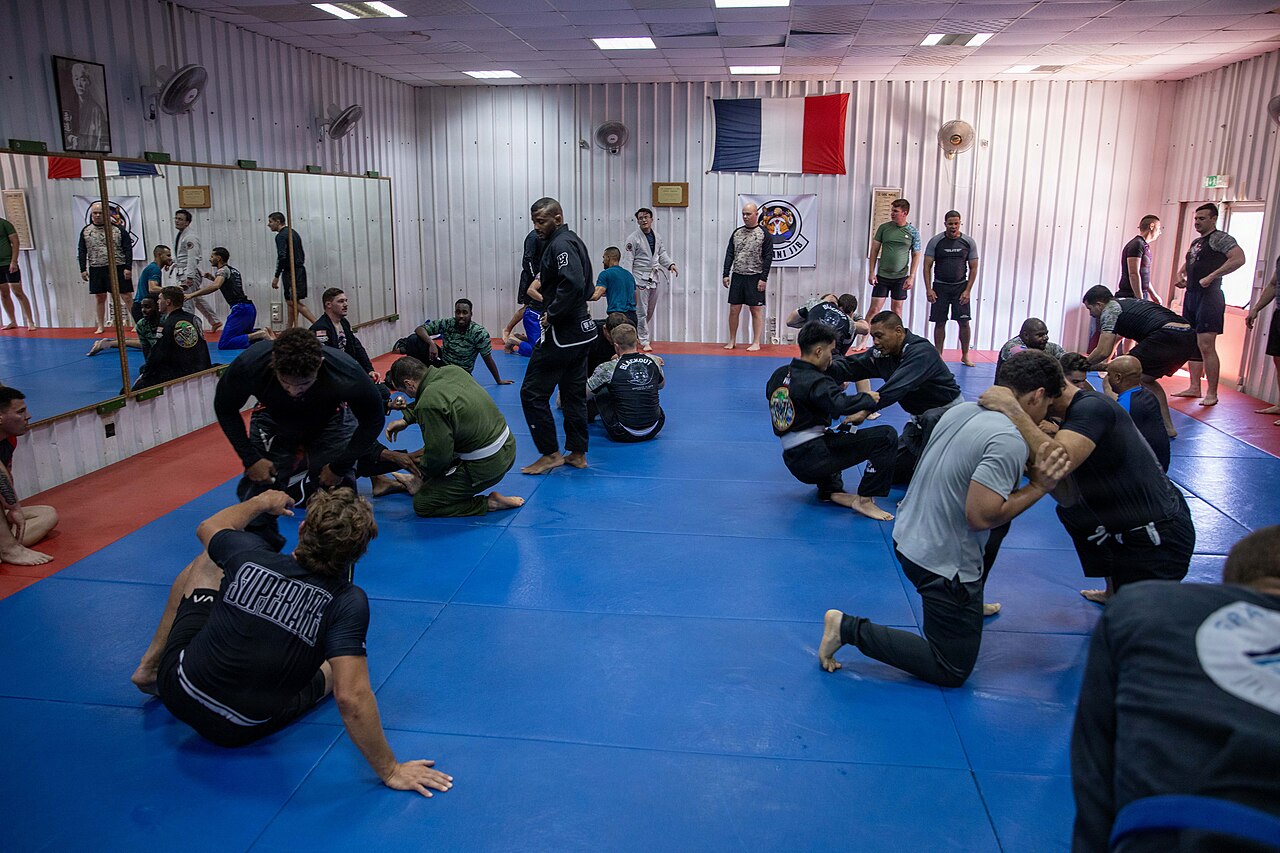
The Short Answer: Absolutely Not
Every single person who has ever trained Brazilian Jiu-Jitsu started with zero experience. Every black belt in the world once walked onto the mat for the very first time not knowing the difference between a guard and a mount. Every purple belt once struggled to remember which way to shrimp. Every blue belt once felt completely lost during their first live roll.
This is one of the most common questions we hear at Gracie Laval, and the answer is always the same: you do not need any experience, athletic background, or martial arts training to start BJJ. The whole system was designed to be learned from scratch.
If you have been putting off your first class because you think you need to "get in shape first" or "learn some basics online," this article is for you.
Everyone Starts at White Belt
The white belt is not just a starting rank. It is a symbol of being open to learning. When you tie on a white belt for the first time, you are doing exactly what every person before you has done. There is no expectation that you know anything. There is no test to pass before you step on the mat. You show up, and the learning begins.
At Gracie Laval, our Fundamentals classes are specifically built for people with no experience. Coach Louis-Philippe structures these sessions so that complete beginners can follow along from the very first minute. Techniques are broken down step by step. You will never be asked to do something without a clear demonstration and explanation first.
The belt system in BJJ exists for a reason. It creates a clear path from total beginner to advanced practitioner, and every step along that path is guided by your instructor. You are never expected to figure things out on your own.
What Actually Happens on Day One
Here is a realistic picture of what your first class looks like. No surprises, no hidden expectations.
You Arrive and Meet Your Coach
Show up about 15 minutes early. You will meet your instructor, get a quick tour of the academy, and change into your gear. We provide a Gi (the traditional uniform) for your first class at no cost. Just bring athletic clothing underneath and a water bottle.
Your coach will ask if you have any injuries or physical concerns. This is not a formality - it genuinely matters for how you will be paired and what modifications might be needed.
Warm-Up
Class begins with a group warm-up. Light jogging, stretching, and some movements that are specific to BJJ like hip escapes and forward rolls. These might feel awkward at first. That is completely normal. You will get better at them quickly, and nobody is watching or judging.
Technique Instruction
This is the core of the class. Your instructor demonstrates a technique - maybe a basic sweep from guard or a simple escape from a pin. You then practice it with a partner at a controlled pace. Your partner knows you are new. They will work with you, not against you.
Techniques are shown multiple times and from different angles. If you do not get it right away, that is expected. The goal on day one is exposure, not perfection.
Guided Practice
After drilling the technique, you may do some positional sparring. This is not a fight. It is a structured exercise where you practice a specific position with a partner who is helping you learn. Your instructor monitors everyone and gives feedback throughout.
If it is your very first class, you may sit out the live rolling portion or be paired with an experienced student who will guide you through it gently.
Common Fears - And Why They Are Not Real
"I'm going to get hurt."
BJJ training is built around control. The foundational rule is simple: tap and your partner stops. Immediately. Every time. This is not a suggestion - it is the most important rule on the mat. Tapping is how you learn safely, and it is how everyone trains without injury.
At Gracie Laval, we maintain a strict ego-free environment. Students who cannot control themselves are corrected. Your safety is the top priority.
"I'm not fit enough."
Nobody is "BJJ fit" before they start BJJ. The fitness comes from training. You will be surprised how quickly your endurance, flexibility, and strength improve just by showing up consistently. Within a few weeks, movements that felt impossible will start to feel natural.
"I'll look stupid."
Everyone looks lost on day one. This is not unique to you. The experienced students around you remember exactly how they felt in your position, and the culture at our academy is one of support, not judgment. People will introduce themselves, offer tips, and make you feel welcome.
"BJJ is about fighting - I'm not aggressive."
This is one of the biggest misconceptions. BJJ is often called "the gentle art" because it relies on leverage, timing, and technique rather than brute force or aggression. The most skilled practitioners are often the calmest people on the mat. BJJ teaches you how to stay composed under pressure, not how to start conflicts.
"I'm too old to start."
We have students who started in their 20s, their 40s, and beyond. Age is not a barrier. BJJ is one of the few martial arts where technique genuinely overcomes size and athleticism. Your instructor will help you train at a pace that matches your body and your goals.
How Classes Accommodate All Levels
One of the things that makes BJJ unique is that beginners and experienced students often train together. This might sound intimidating, but it is actually one of the best parts of the system.
When you drill techniques with a more experienced partner, they can show you small details that make the move work better. When you do positional sparring with an advanced student, they will slow things down and let you work. They remember being new, and they want to help you improve.
Our class structure at Gracie Laval is designed with this in mind:
- Fundamentals classes focus on the core positions and techniques every beginner needs
- All Levels classes blend beginners and experienced students with scaled intensity
- Instructors actively pair students based on size, experience, and temperament
- Every class includes clear demonstrations before any drilling begins
You are never thrown into the deep end.
What "Starting BJJ" Actually Looks Like
Forget what you have seen in UFC highlights or competition footage. Starting BJJ looks like this:
- Learning how to properly stand up from the ground
- Understanding the four basic positions and why they matter
- Practicing one or two techniques per class until they feel natural
- Getting comfortable with close contact and physical problem-solving
- Building a routine of showing up two to three times per week
- Meeting a community of people who genuinely want to see you succeed
It is not glamorous. It is not dramatic. But it is one of the most rewarding things you will ever do for your physical and mental health.
The Hardest Part Is Walking Through the Door
This is something every BJJ practitioner agrees on. The hardest part of starting is not the first class. It is making the decision to show up. Once you walk through the door, everything else falls into place. The coaches take care of you. The students welcome you. The techniques start to click.
The only thing standing between you and your first class is a decision. You do not need to be fit, young, tough, flexible, or experienced. You just need to show up.
Your First Class Is Free
At Gracie Laval, your first class is always free. No commitment, no pressure. Come in, try it, see how it feels. If you love it - and most people do - we will help you find the right schedule and program for your goals.
Adult Fundamentals classes run Monday and Wednesday at 7:15 PM with Coach Louis-Philippe. Check the full schedule here to find a class that works for you.