 EN
EN FR
FR 中文
中文 ES
ES PT
PT عربي
عربي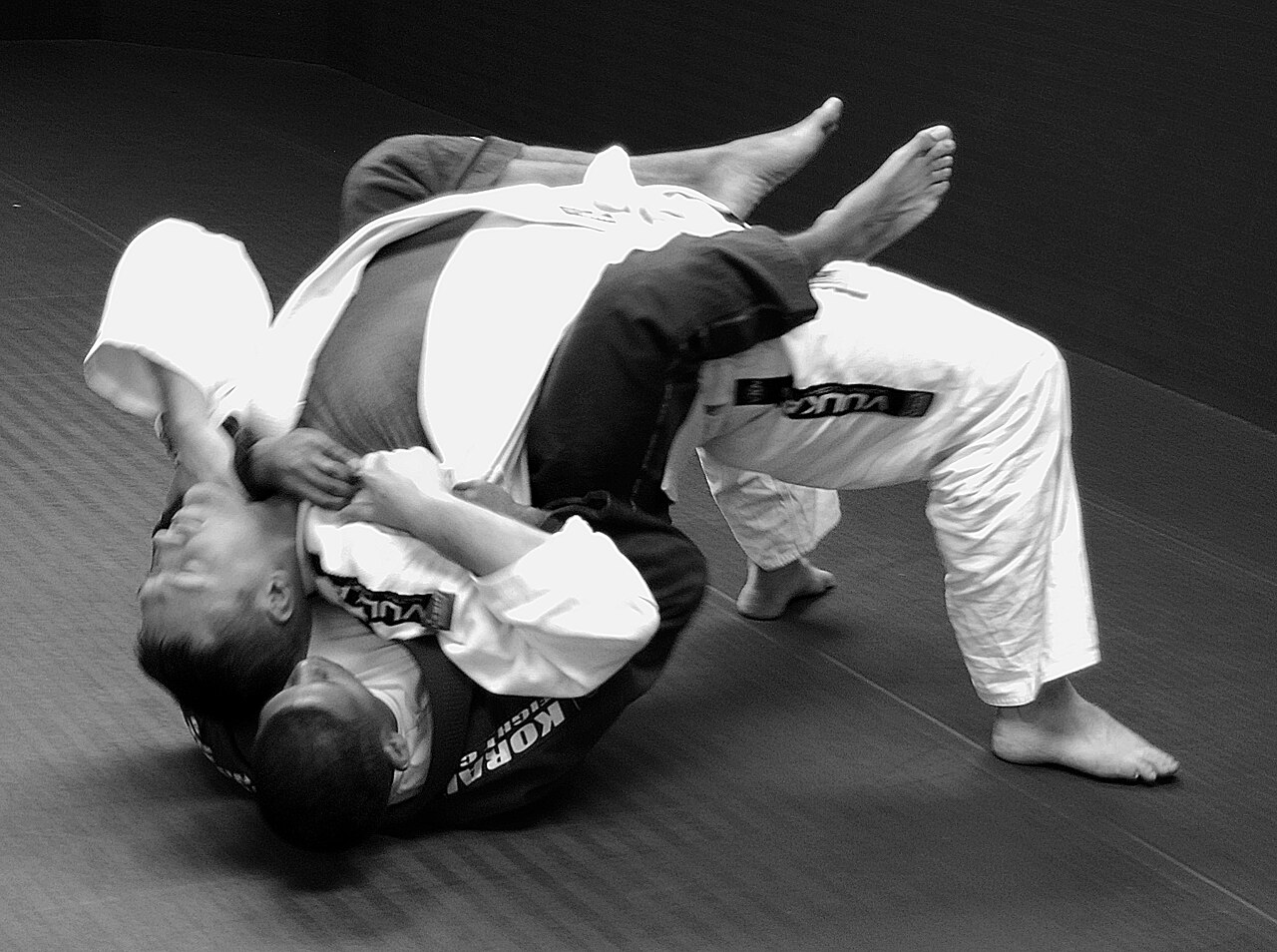
The Hardest Years Don't Have to Be the Loneliest
High school changes everything. The kid who used to run through the house laughing goes quiet. The one who told you every detail about their day starts giving one-word answers. The phone becomes a wall between you and them, and somewhere behind that wall, they're trying to figure out who they are.
If you're a parent in Laval, Chomedey, Fabreville, or anywhere in the greater Montreal area watching this happen, you're not imagining things. Adolescence in 2026 is measurably harder than it was a generation ago. The data is brutal: teen anxiety and depression rates have doubled since 2012. Social media creates a 24/7 comparison machine that follows your kid from the cafeteria to their bedroom. Bullying doesn't end at 3:15 anymore - it follows them home through group chats and comment sections.
Here's what most parents don't realize: the solution isn't removing the pressure. You can't. The solution is building a teenager who can handle it.
That's exactly what Brazilian Jiu-Jitsu does. And it does it in ways that talk therapy, team sports, and good parenting conversations alone cannot replicate.
Why Traditional Approaches Fall Short for Teens
Team sports are great for some kids, but they have a fundamental problem: social hierarchy. The best athletes get the most playing time and the most social capital. If your teen isn't naturally athletic, team sports can reinforce the exact feelings of inadequacy you're trying to address.
Talk therapy is valuable, but it's cognitive. Knowing something intellectually and feeling it in your body are very different things. Most teens can articulate what confidence means. Very few of them actually feel it.
Screen time limits address a symptom, not a cause. Your teen isn't addicted to their phone because the phone is irresistible. They're addicted because the phone provides a sense of control and identity that their real life doesn't. Take the phone away without replacing that need, and you've just created a resentful teenager with the same underlying problem.
BJJ addresses the root. It builds identity from the inside out.
Kids BJJ Program (Ages 3-13)
Apprentice, Junior, and Teens classes. First class free.
Explore Kids ProgramThe Psychology of Teen Confidence (And Why BJJ Builds It)
Psychologist Albert Bandura's research on self-efficacy - the belief in your ability to handle challenges - is the framework here. Bandura identified four sources of self-efficacy, and BJJ hits all four:
1. Mastery experiences. Your teen practices a sweep fifty times, fails, adjusts, and then hits it live against a resisting partner. That moment - when something difficult becomes something they can do - rewires their brain. Not metaphorically. Literally. The neural pathway that says "I can figure hard things out" gets reinforced every single class.
2. Vicarious experience. Your teen watches another student their age - someone who was also nervous, also unsure - earn a stripe or submit someone bigger. The thought process is automatic: "If they can do it, maybe I can too." This is social proof (what psychologist Robert Cialdini calls one of the most powerful drivers of human behavior) working in your child's favor for once.
3. Verbal persuasion. When Professor Louis-Philippe or Coach Thomas tells your teen "good work" after a hard round, it lands differently than a parent saying the same thing. Teens are exquisitely tuned to detect empty praise - and they know the difference.
4. Physiological state. BJJ teaches your teen to function under physical stress. Heart pounding, someone controlling them, no easy escape - and they learn to think clearly anyway. This is stress inoculation. Once your teenager has stayed calm with 150 pounds on top of them, a presentation in front of the class feels manageable.
The Five Teen Problems BJJ Actually Solves
Social Pressure and the Need to Fit In
High school runs on conformity. Dress the same, talk the same, like the same things. Kids who don't fit the mold get pushed to the margins.
BJJ gives your teen an identity that doesn't depend on anyone's approval. They're a martial artist. They train. They have skills most of their peers don't understand and couldn't replicate. This isn't arrogance - it's an anchor. When your teen knows who they are, the pressure to become someone else loses its grip.
At Gracie Laval, our Teens program (ages 9-13) trains students from Laval, Sainte-Rose, Vimont, Duvernay, and across the North Shore. The social bonds formed on the mat cross every school and social boundary. Your teen gains a peer group that values effort over status.
Body Image and Physical Insecurity
Teen body image issues have reached epidemic levels. For boys, it's the pressure to be bigger, stronger, more muscular. For girls, it's the pressure to be thinner, more polished, more "perfect."
BJJ redefines the relationship with the body entirely. Your teen's body becomes a tool - something that does things, not something that looks a certain way. The 130-pound kid who can sweep a 180-pound training partner doesn't care what they look like in a mirror. They know what they're capable of, and that knowledge runs deeper than any Instagram filter.
This is what researchers call functional body image - valuing what your body can do rather than how it appears.
Bullying: The Confidence That Prevents It
We've addressed bullying in other articles, but the teen dynamic is different. Teen bullying is more psychological, more social, and more insidious than what younger kids experience.
BJJ doesn't teach your teen to fight. It teaches them they don't need to. A teenager who has spent hundreds of hours grappling with resisting partners carries themselves differently. Their posture changes. Their eye contact changes. Their response to provocation changes. They don't flinch, they don't cower, and they don't overreact. Bullies read body language instinctively - and they avoid targets who don't react the way they expect.
If a situation ever does become physical, your teen has the skills to control without escalating. Jiu-jitsu's emphasis on holds and pins - rather than strikes - means your child can neutralize a threat without throwing a punch. In Quebec schools with zero-tolerance policies, this distinction matters enormously.
Screen Addiction and the Dopamine Problem
Here's the uncomfortable truth: your teen's phone delivers constant, low-effort dopamine hits. Scroll, like, swipe, repeat. The brain adapts to this pattern and starts craving it.
BJJ provides dopamine too - but the earned kind. The rush of hitting a submission you've drilled for weeks. The satisfaction of surviving a round against a better opponent. The pride of a stripe ceremony. These high-effort, high-reward experiences build the brain's capacity for delayed gratification.
Parents at Gracie Laval consistently report the same thing: on training nights, the phone stays in the bag. Not because anyone told their teen to put it away, but because what's happening on the mat is more engaging than anything on the screen.
The Transition From Childhood to Adulthood
Between ages 9 and 13, your child is making the most significant identity shift of their life. They're deciding - consciously or not - what kind of person they're going to be.
BJJ provides a framework for that decision. The values on the mat are clear: respect, perseverance, humility, discipline, and personal responsibility. These aren't posted on a wall and ignored. They're enforced through the training itself. You can't be disrespectful to your partner and have anyone willing to train with you. You can't skip the hard rounds and expect to improve. You can't blame others when you get tapped - you can only figure out what you did wrong and fix it.
Your teen absorbs these values through lived experience, not lectures. By high school, they've internalized a code of conduct that most adults are still trying to figure out.
The Gracie Laval Teens Program
Our Teens program is specifically designed for the 9-13 age group - the critical bridge between childhood and the adult classes.
What makes it different:
- Progressive curriculum that builds real grappling competence, not just games and drills
- Live rolling in every class, because confidence only comes from testing your skills against resistance
- Competition preparation for students who want it - Coach Thomas Paquette runs a focused competition track with athletes who compete across Quebec and Canada
- A clear path forward - teens who are ready can transition into adult classes, training alongside older students under the guidance of Professor Louis-Philippe
The class environment is structured but not rigid. Teens are at an age where they need to be challenged, not coddled. They need instructors who hold them to a high standard while making clear that mistakes are part of the process.
Meet Our Instructors
World-class coaching from Black Belts with 15+ years of experience.
View InstructorsWhat Parents See Change First
We asked parents in our community what they noticed first after their teen started training. The answers were remarkably consistent:
- Posture. Their teen stands taller, makes eye contact, takes up space without being aggressive about it.
- Resilience. Bad days at school don't spiral the way they used to.
- Communication. Teens who were shutting down started opening up - because they had something they were genuinely excited to talk about.
- Sleep. Physical exhaustion from training replaces the restless, screen-fueled insomnia that plagues so many adolescents.
- Direction. The belt system gives teens something to work toward that isn't a grade or a social media metric.
"My son was struggling in Secondary 1. No friends, no motivation, gaming all day. We started him at Gracie Laval in September. By January, he had a friend group, was sleeping better, and told me he wanted to compete. I didn't recognize him - in the best way." - Parent, Vimont
The Window Is Open - But It Won't Stay Open Forever
Here's the thing about adolescence: it's a critical period for identity formation. The habits and self-concept your teen develops between 9 and 15 shape who they become as an adult.
Every month without a physical practice, a community, and a clear path forward is a month where the default influences - social media, peer pressure, passive consumption - fill the gap.
You don't need to commit to anything right now. Your teen's first class at Gracie Laval is free. They'll train, learn a technique, roll with other students their age, and walk out knowing exactly whether this is for them.
Most of them want to come back before they reach the parking lot.
Book a free trial class or call (438) 533-4348. We're at 3274 Blvd. Saint-Martin O, Suite 201, Laval - serving families from Chomedey, Fabreville, Sainte-Rose, Vimont, Duvernay, and across the greater Montreal area.
Kids BJJ Program (Ages 3-13)
Apprentice, Junior, and Teens classes. First class free.
Explore Kids Program