 EN
EN FR
FR 中文
中文 ES
ES PT
PT عربي
عربي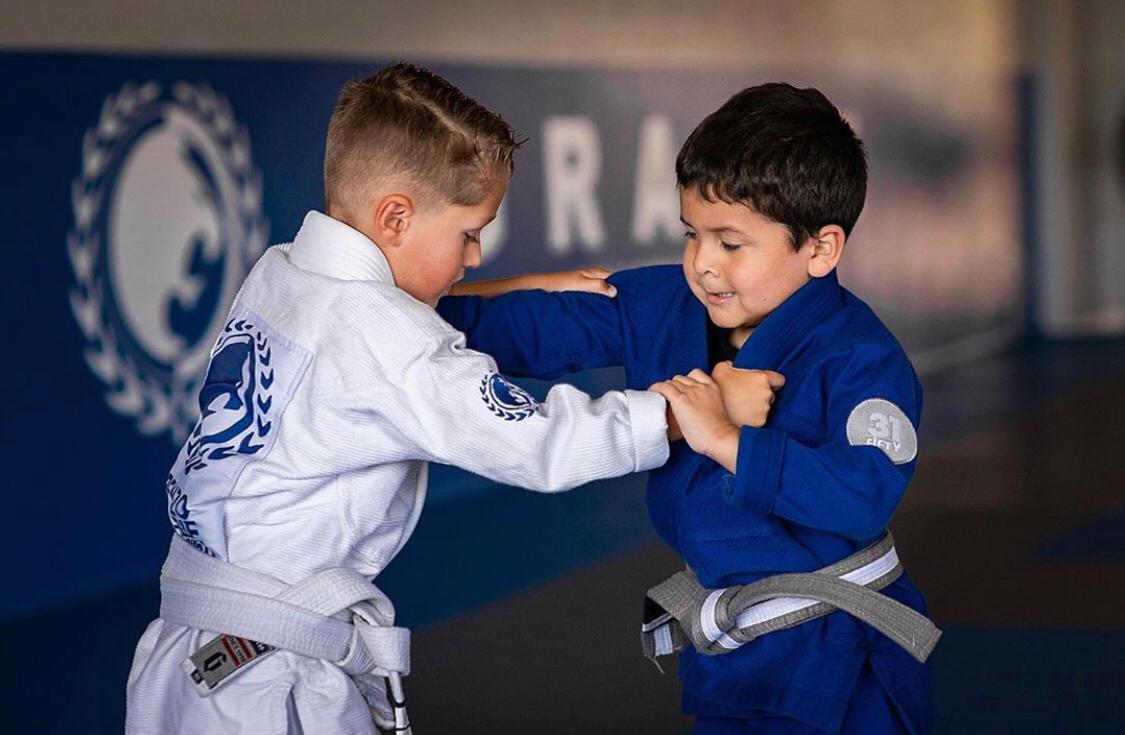
What Should Kids Do After School?
School ends. Your child walks through the door with a backpack full of homework and a head full of restless energy. They've been sitting in a classroom for six hours, told to be quiet, told to focus, told to stay still. Now they need to do it again at the kitchen table.
Parents across Laval and Montreal know this cycle. The question isn't whether your child needs an after-school activity - it's which activity will actually help them, not just fill time.
The options seem endless: homework clubs, music lessons, team sports, coding classes, art programs, tutoring. But when you examine what each one actually delivers - for your child's focus, confidence, discipline, and long-term development - one category consistently outperforms the rest.
Martial arts. And specifically, Brazilian Jiu-Jitsu.
This isn't about fighting. It's about giving your child the tools to handle pressure, regulate their emotions, and build the self-discipline that carries into every other area of their life - including the homework they're avoiding right now.
Are Homework Clubs Enough for Your Child?
Let's start with the most common after-school option. Many schools in Laval offer homework help programs or supervised study periods. Some parents hire tutors.
What they do well:
- Provide structure for completing schoolwork
- Offer academic support for struggling students
- Keep kids supervised until pickup time
What they don't do:
- Build physical fitness. Your child has been sitting all day. More sitting isn't what their body or brain needs
- Develop confidence. Academic help addresses knowledge gaps but doesn't build the inner certainty that comes from physical mastery
- Release energy. A child buzzing with pent-up physical energy cannot focus on fractions. Their body needs to move before their mind can settle
- Teach resilience. Tutoring helps kids avoid failure. But learning to handle failure - to get knocked down and get back up - is what builds lasting character
Homework clubs have their place. But they address the symptom (incomplete homework) without addressing the cause (a child who can't focus because they haven't moved their body in seven hours).
Can Music Lessons Build Physical Confidence?
Music education is valuable. Learning piano, guitar, or violin develops cognitive skills, patience, and creative expression.
The strengths:
- Builds neural pathways associated with math and pattern recognition
- Teaches patience and incremental improvement
- Provides a creative outlet
The gaps:
- Zero physical activity. Your child needs to move. Music lessons keep them seated
- Mostly solitary practice. The social skills developed in group activities are largely absent
- No self-defense or anti-bullying component. A child who's being picked on at school needs more than a recital piece
- Frustration without physical release. Many kids become frustrated with slow musical progress and quit within the first year because there's no physical outlet for that frustration
Music pairs well with physical activities. As a standalone after-school commitment? It leaves significant developmental gaps.
Kids BJJ Program (Ages 3-13)
Apprentice, Junior, and Teens classes. First class free.
Explore Kids ProgramAre Team Sports Right for Every Child?
Soccer, basketball, hockey - team sports are the default after-school choice in Quebec. They build camaraderie, physical fitness, and competitive spirit.
What they deliver:
- Social connection and teamwork
- Cardiovascular fitness and coordination
- Structured competition
- Community belonging
Where they fall short:
- Bench time. In most team sports, your child will spend a portion of every game or practice sitting on the sideline. The less skilled the child, the more they sit - which is precisely backwards
- Seasonal limitations. Outdoor sports like soccer end when the weather turns. Hockey has a defined season. This creates gaps where your child has no structured activity
- Limited individual development. Coaches focus on the team's performance, not your child's personal growth. A quiet child can drift through an entire season without meaningful individual attention
- No self-defense application. Team sports develop physical fitness but don't equip your child with tools for handling bullying, physical confrontation, or high-pressure personal situations
The critical comparison: martial arts vs team sports for kids comes down to this - in team sports, your child can hide. In martial arts, they can't. Every minute of every class, they're engaged, challenged, and developing.
Why Does Martial Arts Outperform Other After-School Options?
Here's what Brazilian Jiu-Jitsu does that no other after-school activity can match. It addresses every developmental need simultaneously: physical fitness, mental focus, emotional regulation, social skills, self-defense, and character building.
It Burns the Energy That Blocks Focus
After a 45-minute BJJ class, your child has used their entire body. They've grappled, drilled, played movement games, and worked up a genuine sweat. The restless energy that made homework impossible? It's gone.
Research in pediatric exercise science consistently shows that children who engage in vigorous physical activity before academic work demonstrate improved concentration, memory retention, and task completion. This is why after-school martial arts before homework produces better academic results than homework clubs alone.
It Builds Discipline - the Real Kind
There's a difference between compliance and discipline. Compliance is doing what you're told because an authority figure is watching. Discipline is doing what needs to be done because you understand why it matters.
BJJ teaches the second kind. Every class follows a structure: bow onto the mat, warm up, listen to instruction, practice with focus, respect your partner. Over weeks and months, children internalize this structure. They don't need to be reminded to focus - focusing becomes their default.
Parents at Gracie Laval consistently report that this discipline transfers directly to homework time, morning routines, and classroom behavior.
It Teaches Focus Through Engagement
A BJJ class demands your child's complete attention. If they zone out during a technique demonstration, they won't know what to practice. If they lose focus during a drill, their partner notices immediately. The activity itself creates natural consequences for inattention - not punishment, but instant feedback.
This is fundamentally different from a classroom environment where a child can daydream for 20 minutes without anyone noticing. In BJJ, the feedback loop is tight and immediate.
It Provides Anti-Bullying Tools That Actually Work
Spring semester is often when bullying peaks in schools. Social hierarchies have solidified since September, and kids who are targets know it. After-school homework clubs don't address this. Music lessons don't address this. Even team sports, where bullying can happen within the team itself, don't directly address this.
BJJ gives your child two things that change the bullying dynamic entirely:
Physical capability. Your child learns to control a situation without throwing a punch. If they're grabbed or pushed, they know what to do. This isn't about fighting back - it's about having the calm, practiced response that prevents escalation.
Body language that signals confidence. Bullies select targets based on perceived vulnerability. A child who trains BJJ carries themselves differently - eye contact, posture, composure. Bullies pick up on this immediately and move on.
Read more about how BJJ addresses bullying
The After-School Timeline That Works
Here's what a productive after-school routine looks like when martial arts is part of the picture:
3:30 PM - School ends. Quick snack.
4:00 PM - BJJ class begins. Your child is moving, learning, burning energy.
5:00 PM - Class ends. Your child is physically tired in the best way - calm, focused, and ready to settle.
5:30 PM - Homework time. The restless energy is gone. Focus is dramatically improved.
6:30 PM - Family dinner. Your child is present, not bouncing off the walls.
This sequence works because it respects the order your child's brain needs: movement first, then focus. Trying to force homework immediately after school fights against biology. A BJJ class resets the system.
Spring Semester: The Perfect Time to Start
If you've been considering an after-school activity for your child, spring is strategically the best time to begin. Here's why:
- Your child establishes a routine before summer break. When they've trained consistently from April through June, summer classes feel natural rather than new
- Spring enrollment means smaller class sizes. Many families wait until September. Starting now means your child gets more individual attention
- The skills compound. A child who starts in April has 2-3 months of training before their classmates start in the fall. That head start builds confidence and motivation
- It addresses spring bullying. As noted above, the late-spring semester is a common period for social conflicts at school. Starting BJJ now gives your child tools when they need them most
What After-School BJJ Looks Like at Gracie Laval
At Gracie Laval, our kids' classes are designed to fit the after-school window. Families come from Chomedey, Fabreville, Sainte-Rose, Vimont, and Duvernay - and from across the greater Montreal area.
Age-appropriate programming:
- Apprentice (Ages 3-4): Movement games and mat comfort. Fun-first approach that builds foundational habits
- Junior (Ages 5-8): Real BJJ techniques, partner drills, and the stripe system. This is where discipline and focus develop rapidly
- Teens (Ages 9-13): Advanced training, live sparring, and belt progression. Students build serious capability and self-confidence
Every child trains every minute. No bench. No sitting out. No getting overlooked because they're not the loudest or most athletic kid in the room.
The Numbers That Matter
Over 151 families in Laval and Montreal have chosen Gracie Laval - and rated us 5 stars on Google. Not because we make promises, but because parents see measurable changes:
- Kids who were unfocused are completing homework independently
- Kids who were targets for bullying are walking through school with quiet confidence
- Kids who resisted structure are showing up to class excited, three times a week
Your Child's First Class Is Free
You don't need to decide today. You just need to let your child try it once.
Bring them in for a free trial class. They'll warm up with games, learn a technique, work with a partner their size, and - based on what most parents tell us - ask to come back before you've reached the parking lot.
No contract. No commitment. No sales pitch.
Book a free trial class or reach out directly at coach@gracielaval.com or (438) 533-4348. We're at 3274 Blvd. Saint-Martin O, Suite 201, Laval - free parking at the door, right off the highway.
The best after-school activity isn't the one that fills time. It's the one that builds your child.